

Grok: fast, ambitious, and still too risky for the enterprise
xAI releases models at a rapid pace, invests billions in infrastructure, and already has contracts with the US government. But Grok remains shut out of large enterprises due to governance issues the company has yet to resolve.
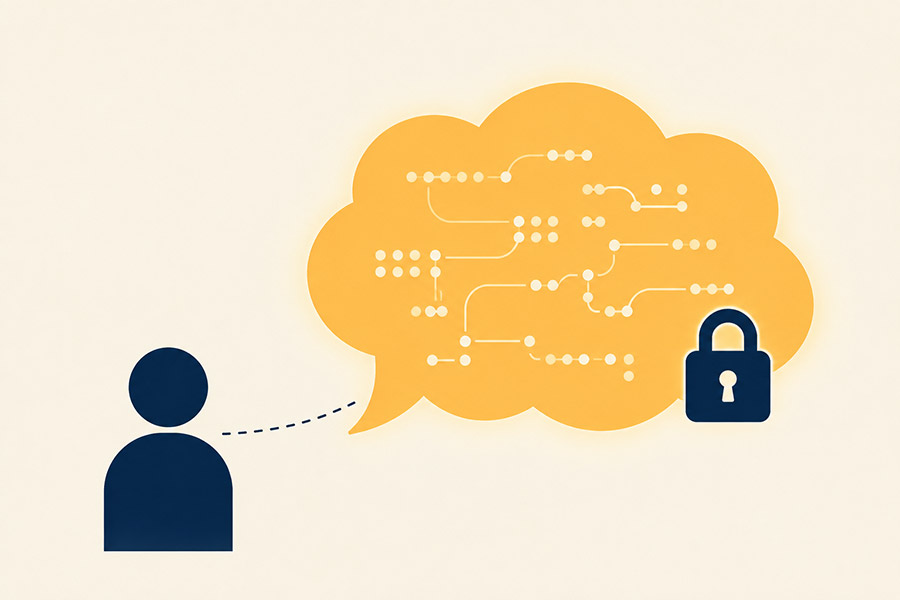
AI coaching for pharma sales reps: what is really allowed in Italy
Quantified declares a 20% performance improvement, Retorio 16%, Veeva moved its AI Agents to production in December 2025. The Italian limit is not the technology, it is Article 4 of the Workers' Statute. What can be deployed without a union agreement and what cannot.

AI Act, US state laws, and compliance: the 2026 map
Without a US federal AI law, states are legislating on their own. Colorado, Illinois, New York, and Utah already have rules in effect. The EU AI Act sets the highest standard. How to navigate 2026.
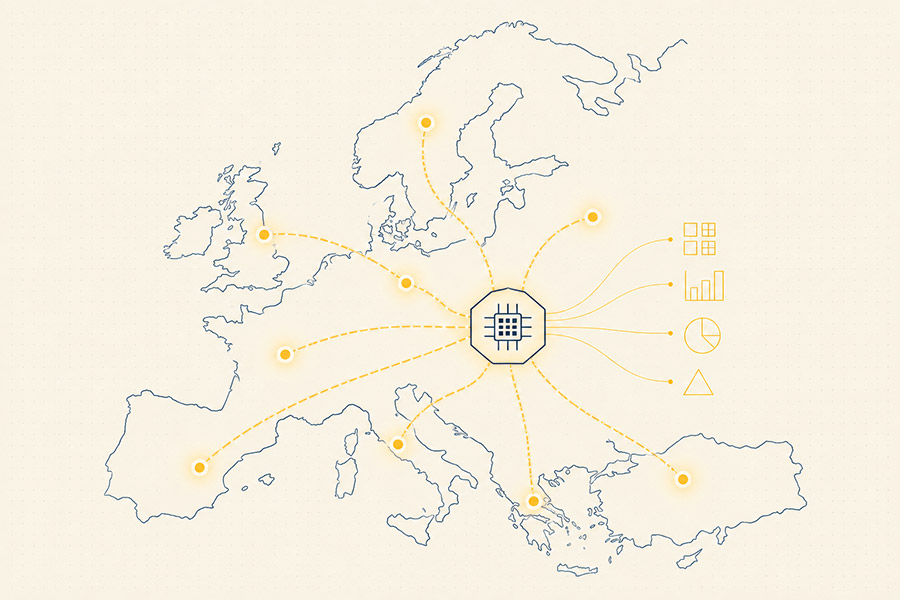
Real World Evidence + AI in 2026: from regulatory pilot to enterprise practice
DARWIN EU has brought 180 million patients under a single European federated infrastructure with 30 partners in 16 countries. Flatiron has been a Roche subsidiary since 2018. AIFA reactivated the RSO registry in 2023 and in May 2026 opened a joint table with AIOM. Real World Evidence has become structural for HTA, label expansion, and post-marketing.

AI in the public sector: the projects that actually worked in 2025
From Brazil to the UAE, through Taiwan and the UK: real-world government AI cases recognized in 2025 show what separates projects that deliver results from those that remain on paper.

Public sector contact centers and AI: what works, what doesn’t
Governments have been experimenting with generative AI in contact centers for two years. Results show where it's worth investing and where risks outweigh expected benefits.

GenAI in education: where to really invest
Generative AI in education is not all the same: some applications deliver concrete results within 18 months, others remain stuck in pilot phase. A map for deciding where to invest.

Dermo-cosmetics in pharmacy: the category growing double-digit while beauty struggles
L'Oréal Dermatological Beauty EUR 5.2 billion revenue in 2024 with +9.8% LFL. Pierre Fabre EUR 1 billion with Avène. Beiersdorf Derma EUR 1.4 billion with +10.6%. In Italy cross-channel dermo-cosmetics are worth EUR 4.5 billion in 2024 with +7.2% YoY. Today's structural beauty growth almost always passes through the pharmacist.

Synthetic data is changing how AI gets trained
Synthetic data is artificially generated data used to train AI models, preserve privacy, and test systems. How it works, where it's used, and why adoption is growing in regulated sectors like healthcare and finance.

Closed-loop marketing in pharma: 77% of content is never used
Veeva Pulse measured that 77% of approved pharma content is almost never used by field teams, while content production grew 7% globally and 29% in the United States in 2023. Pharmaceutical companies spend around $20 billion per year on materials that HCPs do not see. What changes with AI modularization and native agents.

Companies fight back against low-quality AI content
By 2030, 80% of companies will adopt an antislop manifesto to combat the overload of poor AI content. What it is, how it works, and why it's becoming a matter of reputation and compliance.

When AI gets trapped inside individual applications
By 2027, 80% of companies will have AI siloed by application, limiting intelligence sharing across departments. What siloed AI is, why it forms, and how to break free.
